AI news & hype
Is a brand refresh worth it? Yes, when your look doesn't match from the van to the website

Founder of Get AI Working
Published Facts checked
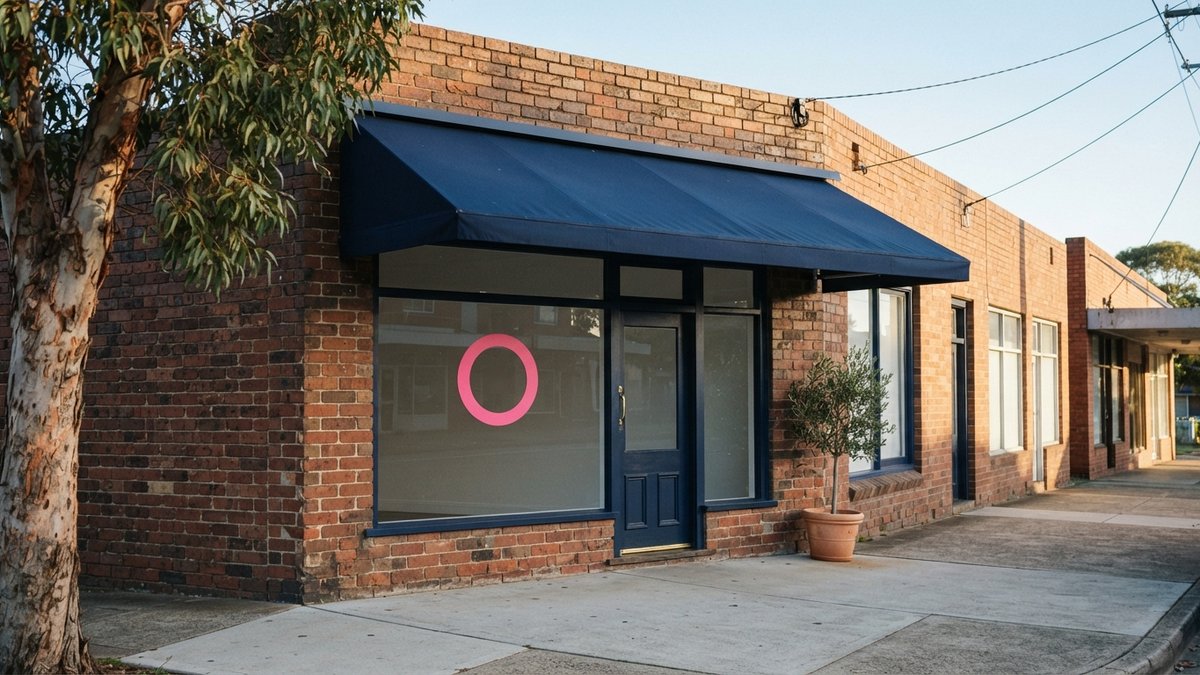
In short
A brand refresh is worth it when your logo, colours and lettering don't match from your van and sign to your website, or your logo blurs when it's small. It keeps your name and what customers recognise, and tidies the rest. If everything already matches, leave it. AI design tools can only match a brand that's been set up.
Your logo is on the van, the shop sign, the website and the invoices. If no two of them quite match, this is for you. Maybe it was made in a hurry when you started, and the colours have drifted a little every time someone made a flyer.
The short answer: a brand refresh is worth it when your look doesn’t match from the van to the website, and it isn’t when it already does. A refresh keeps your name and what customers already recognise, and tidies everything else so it matches everywhere.
What is a brand refresh?
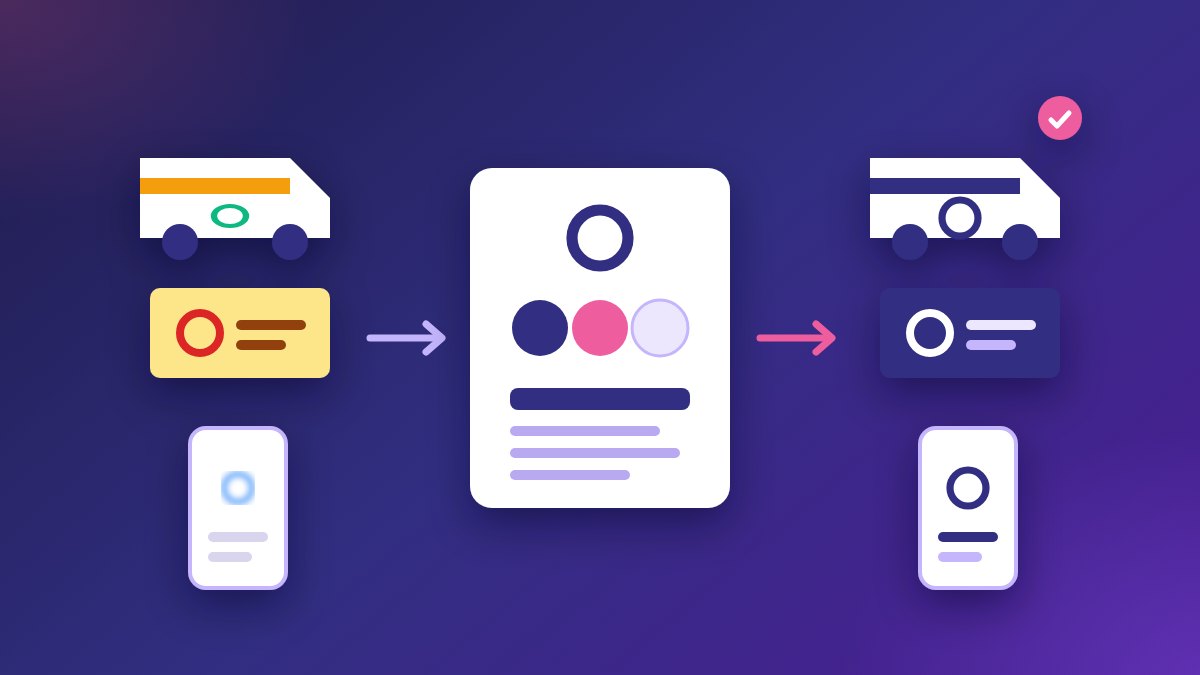
A brand refresh tidies the look you already have, so it works everywhere and matches wherever people see it. Your brand’s look is your logo, your colours, your lettering (designers call it type, or fonts) and the style of your photos.
The Australian Government’s business.gov.au puts it the same way: your visual identity “includes your logo, colour palette, typography, and imagery style”.1 A refresh keeps all four recognisable and makes each one work harder.
Canva’s guide calls it the fix for an image that “feels stale or dull without entirely repositioning it”.2 In practice that means a logo that’s easier to read, colours that work on a screen and in print, and lettering that matches.
How is a brand refresh different from a rebrand?
A rebrand starts again: a new name, a new logo, or both, because the business itself has changed. A refresh keeps the name and the things people know you by.
Shopify’s guide calls a partial rebrand “often referred to as a brand refresh”, and warns that a full rebrand, especially a change of name or web address, risks lost search traffic, broken links and confused customers.3 That’s the case for refreshing first. Your customers find you by what they already know.
The guides don’t quite agree on where the line sits. Shopify allows a new logo inside a refresh,3 while Canva’s guide keeps a refresh to updating the look you have.2 For a small business the useful test is simpler: if the name stays and customers would still recognise you across the street, it’s a refresh.
What are the signs a business needs a brand refresh?
You need one when your look is costing you, not when you’re bored of it. Four signs say it’s time.
- Your logo breaks when it’s small. It goes blurry or unreadable as the little picture on your Google profile or a phone screen. Google says a logo helps “your customers recognise your business on Google”.4
- Nothing matches. The sign, the van, the website and the social posts use different colours or lettering.
- Every new thing starts from scratch. Each flyer or post looks different depending on who made it, and nobody can find the logo file.
- Your look no longer fits the work. The business has grown or changed, and the logo still says what it did on day one.
The Queensland Government’s small business pages suggest a brand health check, a look at whether your brand still does its job, “every few years”.5 That’s a check, not a refresh, and the answer can be that your look is fine.
When is a brand refresh not worth it?
When your look already matches everywhere and customers recognise you. Leave it, and spend the money on something that’s actually broken, like being hard to find on Google.
It’s also the wrong job when the real problem is the name. If people confuse you with another business, or the name no longer fits what you do, that’s a rebrand, and a refresh just polishes the wrong thing.
And it’s the wrong first job when the website itself is the problem. A fresh logo on a slow, out-of-date site can still lose the enquiry, so look at our guide to what a small business website costs first.
What does a brand refresh cover?
Everything people see with your name on it. The refresh happens in the files; the payoff shows up in the street, on the phone and in people’s hands.
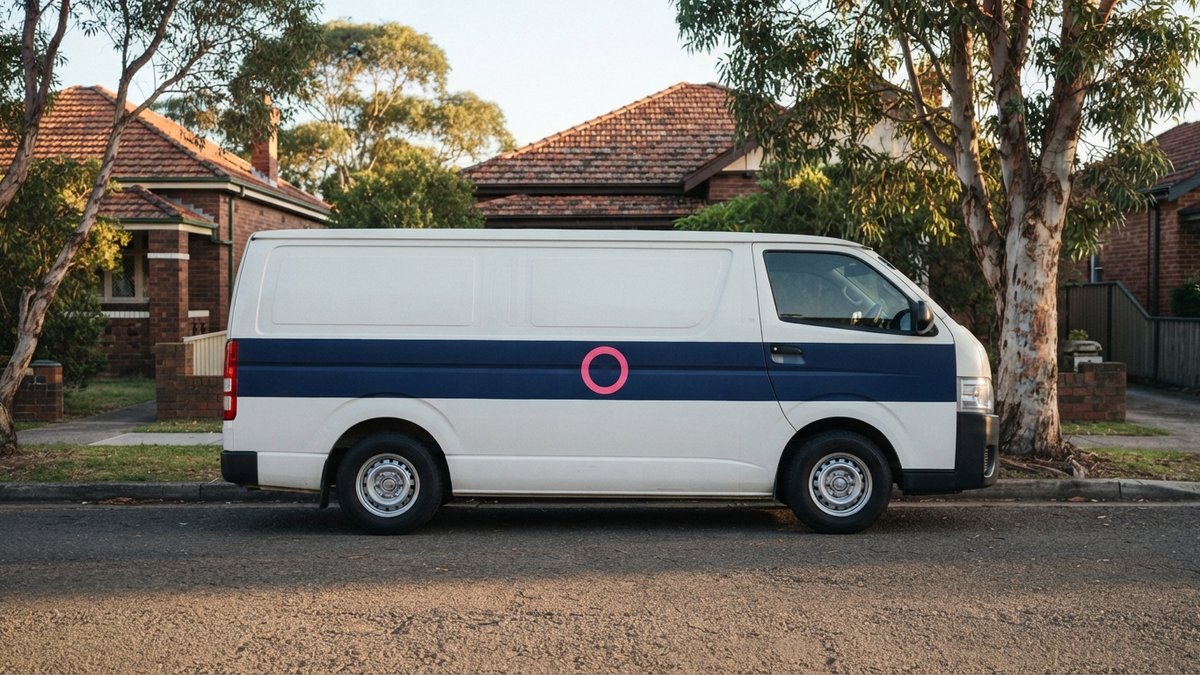
- The logo, redrawn cleanly, in a version that still reads tiny or in one colour.
- The colours, written down with what each is for: the main one, a dark one for text, a light one for backgrounds.
- The lettering, one font for headings and one for everything else.
- The photos, with a short note on the style, so new ones look like they belong.
- The sign and the van, redone from the new files when they’re next due.
- The website, your Google profile and your social pages, updated on the same day so they match.
- The everyday paperwork: business cards, quotes, invoices, email signatures and a template for a social post.
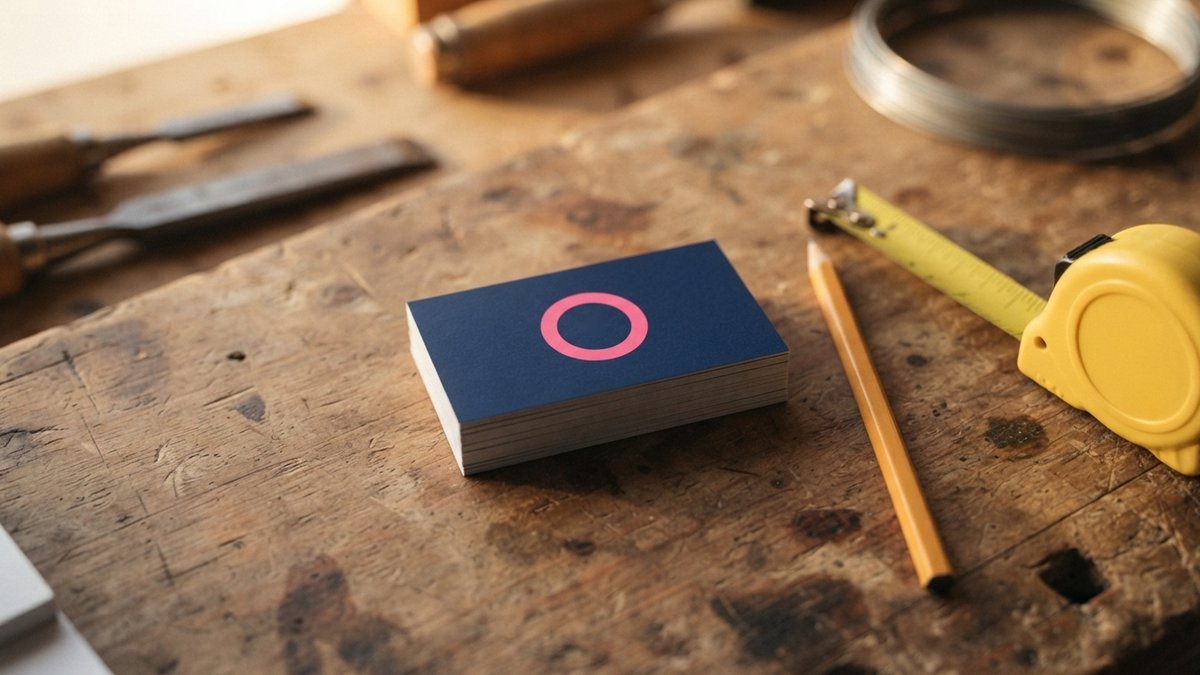
The government’s own checklist for a brand change says the same: “Reprint business cards, brochures, signage, packaging, and other branded assets”, and update the website.1 The difference with a refresh is that you don’t have to do it all at once. The website and online profiles change on the day; the printed things change when they run out.
How long does a brand refresh take, in your time?
A few conversations and some decisions. You spend an hour saying what you like, what you don’t and who your customers are, then you look at the options and pick.
Then you see the refreshed look, ask for changes, and approve it before anything goes public. After that, the work is rolling it out: online first, then each printed thing as it’s due.
The slow part can be finding every place the old logo lives, from the email signature to the price list taped to the counter, so make that list before you start.
Do you need council approval to change your sign in NSW?
Often not, if you’re changing only what’s on an existing sign. NSW planning rules let you replace an existing lawful business sign, or its content, as exempt development, which means no council approval.6
The NSW Government’s guide to those rules sets the conditions: “the replacement must be exactly the same size”, and it “must not change the structure” the sign is attached to.6 A bigger sign, a new spot, or a building in a heritage area is a different case, so check with your council before you order.
Does a refreshed logo need a new trade mark?
If your logo is registered as a trade mark and the refresh changes it, probably yes. IP Australia, which registers trade marks, lists changing the trade mark’s picture among the things you can’t amend in an application, and says “you’ll need to lodge a new trade mark application” instead.7
For a mark already registered, IP Australia says “there are strict rules you’ll need to follow”.7 Its examiners’ manual allows a change to a registered mark only if it doesn’t “affect the identity of the trade mark”.8
Either way, search before you use a new logo. IP Australia says a search confirms your brand “hasn’t already been trade marked by someone else”, and skipping it risks a claim that you’ve copied someone.9 Its free search tool is on its website.
What does AI change about a brand refresh?
The refresh pays off every week instead of once. A big business has a brand team and a thick rulebook so every poster comes out matching; a small business can now get closer to that with a one-page guide and an AI design tool.
Canva says its AI “uses your Brand Kit and Brand Templates” to keep designs in your colours, fonts and tone.10 Its Brand Kit keeps your logos, colours, fonts and other files in one place.11 So once the refresh is done and loaded in, every flyer and post your team makes with it starts out matching.
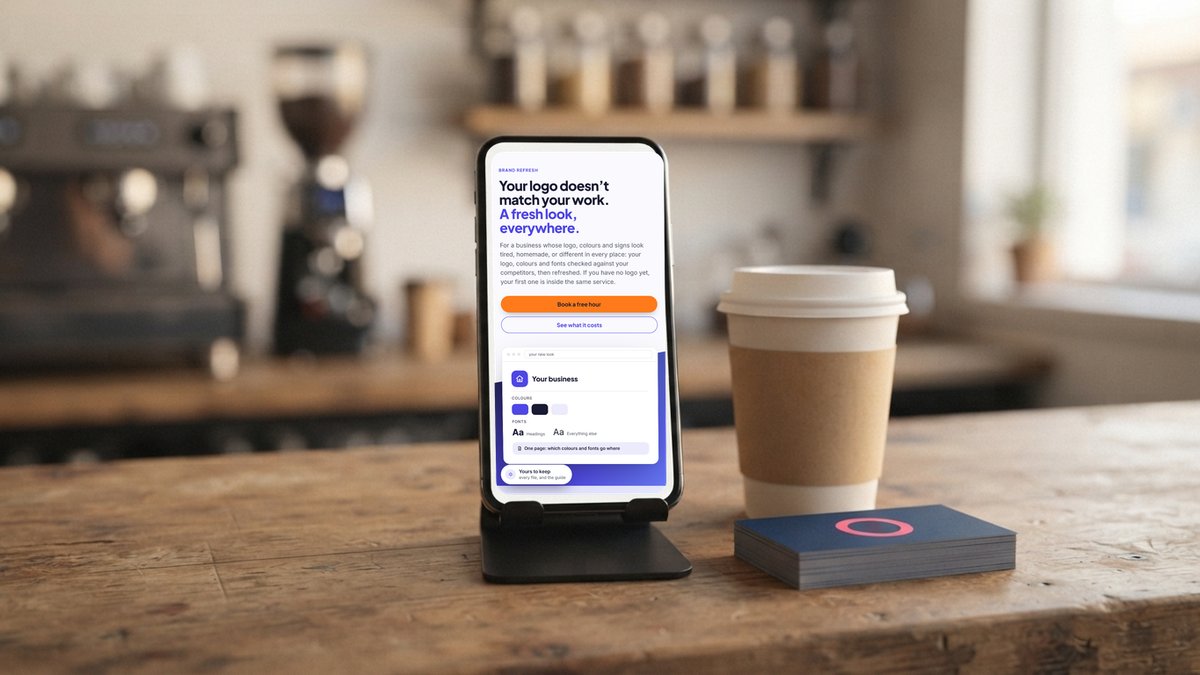
The catch is the order. An AI tool can only match a brand that exists. With a blurry logo file and colours nobody has written down, you get posts made fast in whatever look the tool guesses, and a business ends up with several slightly different looks instead of one.
Can AI design my logo?
It can draft ideas fast, and that’s useful for working out what you like. A logo still needs a person to choose it, then clean files that work tiny, in one colour and on a van.
And an AI-drafted logo needs the same trade mark search as any other.9 An AI tool can hand you something that looks a lot like a logo already in use.
Common questions
Will a refresh confuse my customers? It shouldn’t, because a refresh keeps what they recognise: your name, and the shapes and colours they know. What changes is how cleanly they’re used.
What’s the difference between a brand refresh and a rebrand? A refresh tidies the look you have and keeps your name. A rebrand changes the name, the logo or both, and brings bigger jobs with it, from your website’s address to your business name registration.13
Do I have to replace my sign and van straight away? No. Change the website and your online profiles on the day, then redo each printed thing when it’s next due. In NSW, swapping what’s on an existing sign of the same size is usually exempt from council approval.6
Can I do a brand refresh myself in Canva? Partly. Canva’s Brand Kit keeps your logo, colours and fonts in one place, and Canva’s free plan includes one, limited to three colours.12 The hard part isn’t the tool; it’s deciding what your look should be, then sticking to it.
Does a new logo need a new trade mark? If your old logo is registered and the new one looks different, IP Australia’s rules mean a new application, not an edit.78 Search its register before you use any new logo.9
If you’d rather hand it over
For businesses across Western Sydney and the Blue Mountains, Brand Refresh checks your logo, colours and fonts against your competitors, then refreshes them. You get your logo in every size you need, your colours and fonts written down, and a one-page guide that says which go where, so everything new matches whoever makes it.
No logo yet? Your first one is part of the same service.
We hand you the files and the guide, and your sign writer or printer works from them. Once your look is set up, our posts on social media for small business and why a business doesn’t show up on Google cover where it goes next.
If your look already does the job, we’ll tell you that, and if what you need is different, we scope it and quote it in writing. Whatever we build is yours. Book a free hour.
Sources and notes
- Verified, read 19 November 2026. business.gov.au, "Is it time to refresh your business brand?", published 19 September 2025. https://business.gov.au/news/is-it-time-to-refresh-your-business-brand
- Verified, read 19 November 2026. Canva Learn, guide to updating your brand identity, Nicole Singh; no date shown on the page. https://www.canva.com/learn/guide-to-updating-your-brand-identity/
- Verified, read 19 November 2026. Shopify, blog post on rebranding, Shopify Staff, 25 September 2026. https://www.shopify.com/blog/rebranding
- Verified, read 19 November 2026. Google Business Profile Help, "Manage your Business Profile photos and videos" (Australian English edition); no date shown on the page. https://support.google.com/business/answer/6103862?hl=en-AU
- Verified, read 19 November 2026. Business Queensland (Queensland Government), "Branding basics", updated 6 October 2022. https://www.business.qld.gov.au/running-business/marketing-sales/marketing-promotion/branding-basics
- Verified, read 19 November 2026. NSW Department of Planning, "Advertising and signage: rules for exempt and complying development", January 2022, guidance on the State Environmental Planning Policy (Exempt and Complying Development Codes) 2008; with the NSW Planning Portal page "Advertising and signage", last updated 29 May 2023. https://www.planning.nsw.gov.au/sites/default/files/2023-02/advertising-and-signage-rules-for-exempt-and-complying-development.pdf
- Verified, read 19 November 2026. IP Australia, "How to amend my trade mark application"; no date shown on the page. https://ipaustralia.gov.au/trade-marks/how-to-apply-for-a-trade-mark/how-to-amend-my-trade-mark-application
- Verified, read 24 November 2026. IP Australia, Trade Marks Manual of Practice and Procedure, Part 9.6, "Amendments after registration", published 15 January 2025: "An amendment to a registered trade mark is allowed provided that the amendment does not affect the identity of the trade mark" (paragraph 83(1)(a)). https://manuals.ipaustralia.gov.au/trademark/6.-amendments-after-registration
- Verified, read 19 November 2026. IP Australia, "Why search for existing trade marks"; no date shown on the page. https://ipaustralia.gov.au/trade-marks/search-existing-trade-marks/why-search-for-existing-trade-marks
- Verified, read 19 November 2026. Canva, "Brand Kit" feature page; no date shown on the page. https://www.canva.com/pro/brand-kit/
- Verified, read 19 November 2026. Canva Help Center, "Brand Kit"; no date shown on the page. https://www.canva.com/help/brand-kit/
- Verified, read 24 November 2026. Canva, "Pricing": the Free plan includes "1 Brand Kit (3 colors only)". No date shown on the page. https://www.canva.com/pricing/
AI news & hype
Costs keep rising: five jobs AI can take off your week
AI won't cut your rent, wages or power bill. It can check supplier bills for price rises, chase invoices, draft quotes and write up meetings, so your hours go further.
Rory McNeil 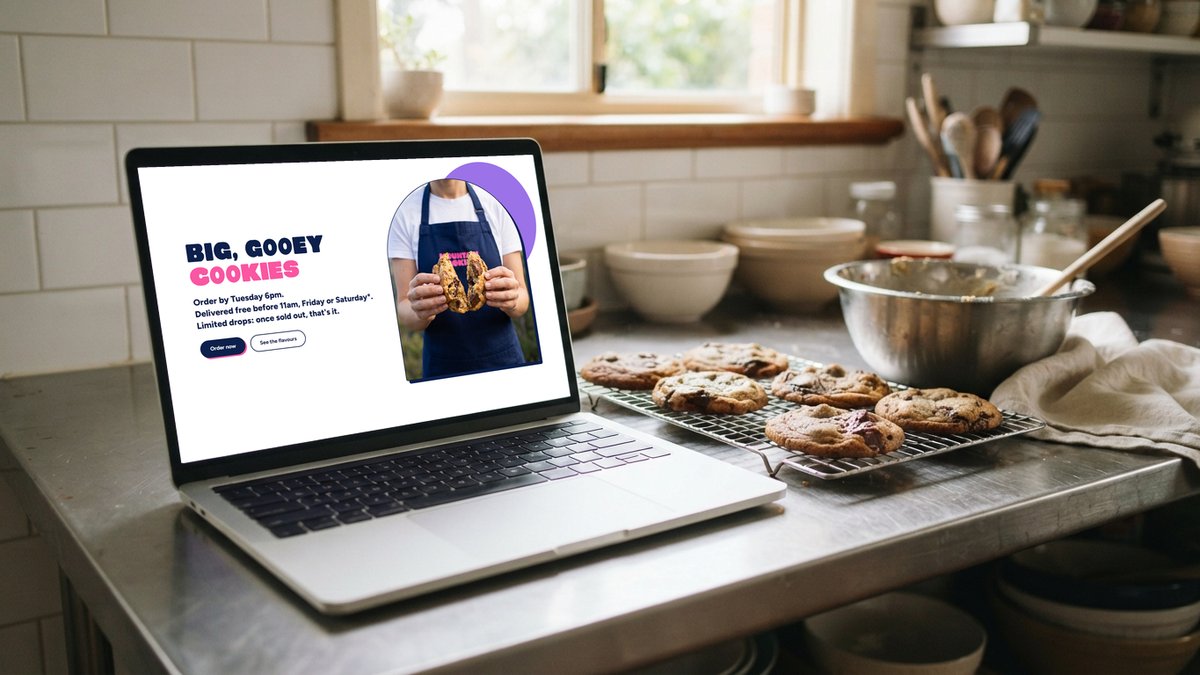
In the picture: the website of our founder's own family business.
AI news & hype
Is WordPress dead because of AI? No, but it's shrinking
No: WordPress is still the most used website system by a long way, but its share of websites is shrinking and more sites are built without one. Here's what that means for your business's site.
Rory McNeil 
AI news & hype
Chatbot for small business: what it must never make up
A chatbot answers questions on your website by itself. What it says, your business said, so here's how to make one that answers from your list, says it's a machine and takes details for the rest.
Rory McNeil